When Materials Age: How Wear Shows in Different Jacket Fabrics


When Materials Age: How Wear Shows in Different Jacket Fabrics
A jacket is more than just outerwear—it’s a companion through changing seasons, weather, and adventures. No matter how carefully you treat it, time will leave its mark. Wear is inevitable, but it appears differently depending on the fabric. Here’s a look at how common jacket materials age and what you can do to extend their life.
Cotton – Softening and Fading with Character
Cotton jackets, such as canvas field coats or denim truckers, tend to develop a distinctive patina over time. The fabric softens, colors fade slightly, and seams may show gentle wear. For many, this lived-in look adds charm and authenticity.
However, cotton can lose its shape if it’s washed too often or exposed to moisture for long periods. To preserve its structure, avoid frequent machine washing—spot clean with a damp cloth or brush off dirt instead. A wax treatment can also restore water resistance and give the fabric new life.
Læs også:



Wool – Graceful Aging with Care
Wool coats and blazers are known for their warmth and structure, but they need attention to stay in top form. Over time, wool can start to pill, especially in high-friction areas like sleeves and pockets. Fortunately, this can be easily managed with a fabric shaver or wool comb.
Wool ages beautifully when cared for properly. Let it rest between wears, hang it on a sturdy hanger, and store it in a dry place. Occasional professional cleaning helps maintain its texture and sheen, ensuring it remains a timeless piece in your wardrobe.
Leather – From Smooth to Story-Rich
Few materials age as dramatically—or as attractively—as leather. With use, it develops a deeper tone, subtle creases, and a natural sheen that tells the story of its journey. This patina is part of what makes leather so beloved.
Leather does, however, demand maintenance. Without regular conditioning, it can dry out and crack. Keep it away from direct sunlight for long stretches, and if it gets wet, let it dry naturally. With proper care, a leather jacket can last for decades, growing more beautiful with every year.
Synthetic Fabrics – Functional but Finite
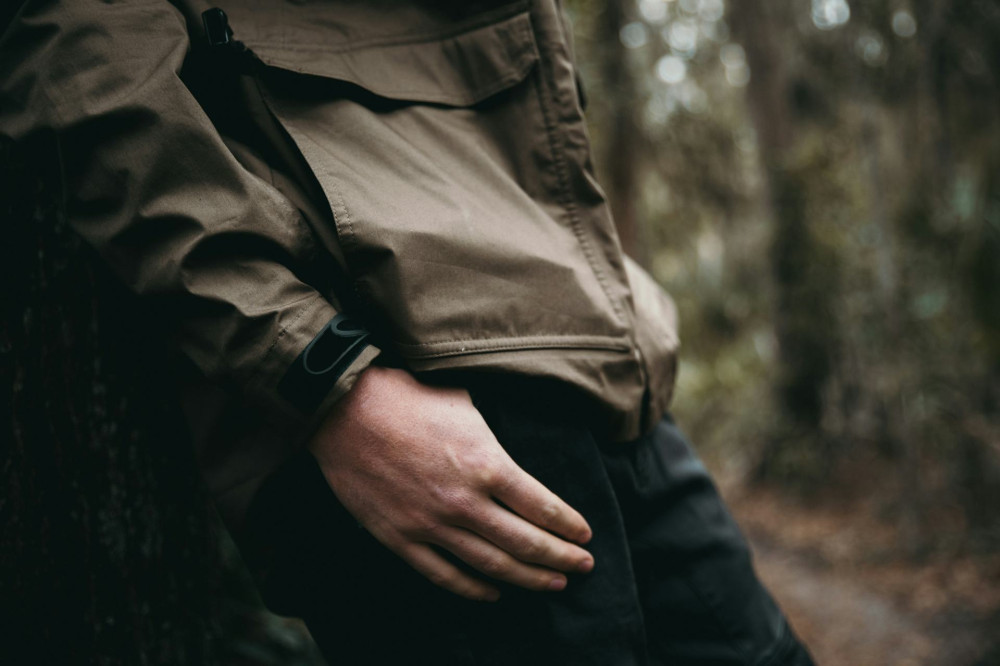
Nylon, polyester, and softshell jackets are prized for their lightness and weather resistance. Yet their aging process differs from natural fibers. Over time, the water-repellent coating can wear off, and the fabric may lose elasticity or develop small snags.
To prolong their lifespan, wash these jackets gently and reapply a durable water repellent (DWR) treatment periodically. Avoid fabric softeners, which can damage technical fibers. Small tears can be patched with repair tape to prevent further damage.
Down and Synthetic Insulation – When Warmth Wears Thin
In insulated jackets, it’s not just the outer shell that ages—the filling changes too. Down can clump together, and synthetic insulation can flatten, reducing warmth. This often happens when jackets are stored compressed or in damp conditions.
To keep insulation fluffy, shake out your jacket after use and store it hanging rather than packed away. Wash only when necessary, using a gentle detergent designed for down or technical fabrics. Tumble drying with a few clean tennis balls can help restore loft and even out the fill.
When Wear Becomes a Story
Every scuff, fade, and crease tells a story—of hikes, commutes, storms, and travels. Some people strive to keep their jackets looking new, while others embrace the beauty of age and use. The key is understanding your jacket’s material and giving it the care it deserves.
A well-aged jacket isn’t just clothing—it’s a record of where you’ve been and how you’ve lived.
Læs også: