Comfort in Motion – The Impact of Fit on the Performance and Freedom of Movement of the Functional Jacket

Comfort in Motion – The Impact of Fit on the Performance and Freedom of Movement of the Functional Jacket
A functional jacket should do more than keep you warm and dry – it should move with you, protect you from the elements, and feel comfortable whether you’re hiking a mountain trail, biking to work, or walking the dog on a windy morning. The fit plays a crucial role in how well a jacket performs in real life. A good fit isn’t just about style; it’s about function, mobility, and everyday comfort.
Why Fit Matters
When you move, your body bends, stretches, and twists in multiple directions. If your jacket isn’t designed with that in mind, the fabric can pull, ride up, or bunch in ways that restrict movement. A well-tailored fit ensures that the jacket moves with your body, not against it.
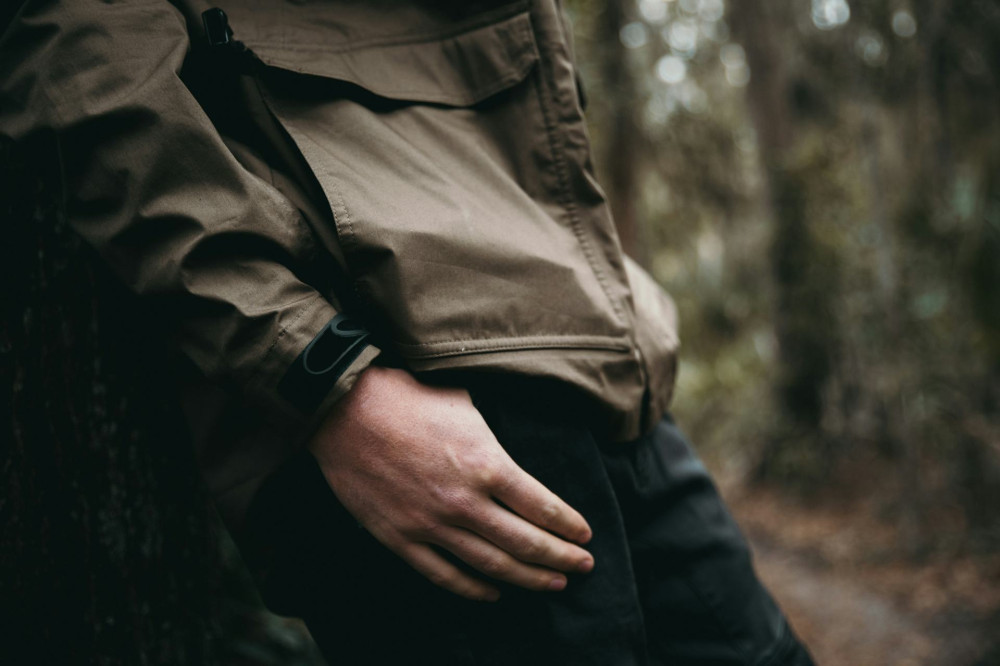
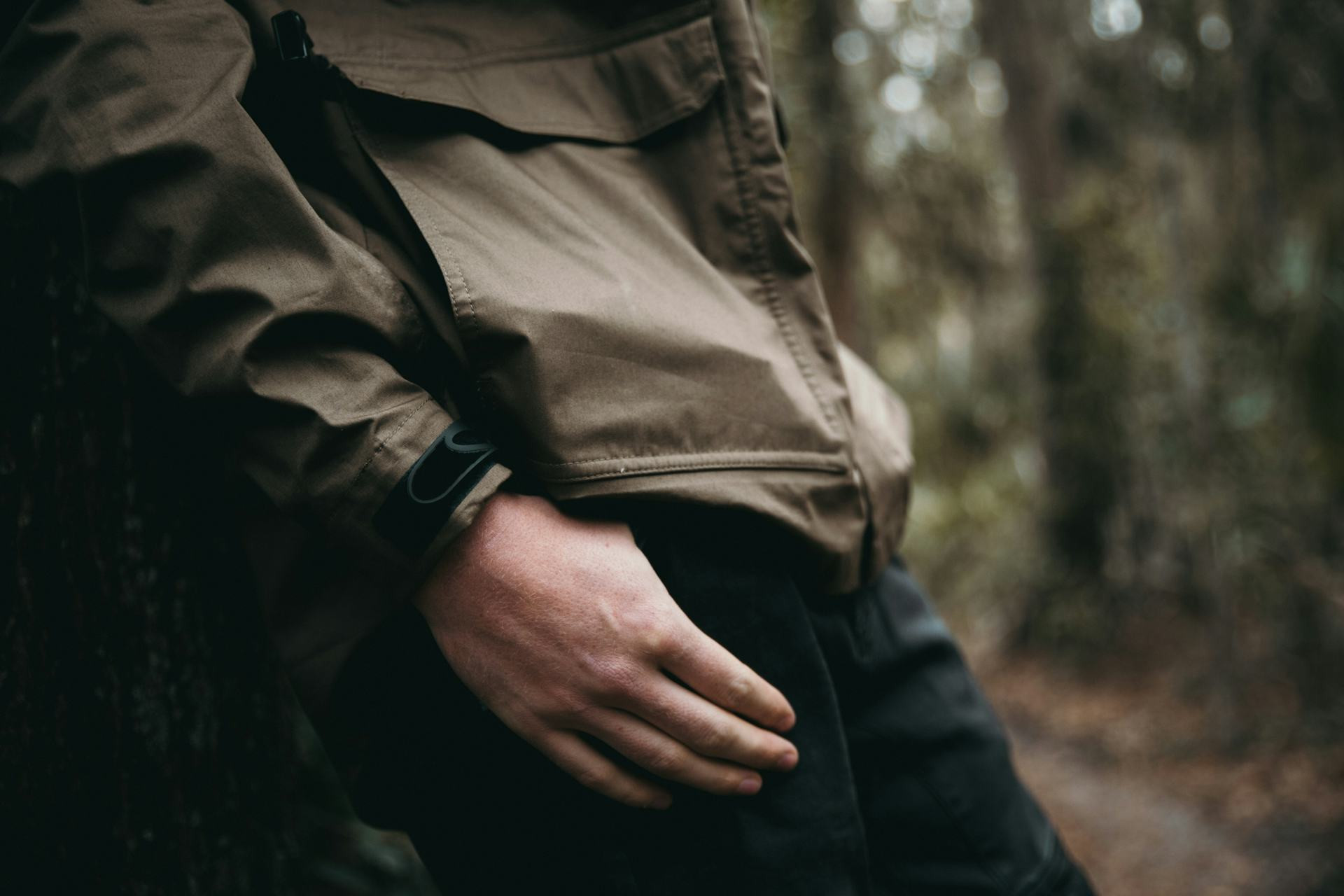
For example, a jacket with articulated sleeves and extra room around the shoulders allows for greater freedom of movement. That means you can reach for your handlebars, adjust your backpack straps, or lift your arms without the hem creeping up. These small design details make a big difference in how the jacket feels and performs.
Materials and Construction – The Balance Between Form and Function
Fit and material choice go hand in hand. Stretch fabrics like softshells or technical membranes with elastic fibers allow for a closer silhouette without limiting mobility. Strategically placed panels made from more flexible materials can add comfort where your body needs it most.
Cut and construction are equally important. A jacket with an ergonomic design follows the body’s natural lines, reducing excess fabric that can flap in the wind or feel bulky. The goal is to find the balance between roominess and precision – enough space to move freely, but not so much that the jacket loses its shape or insulation efficiency.
Active Comfort for Everyday Life
A functional jacket should adapt to changing conditions. You might go from standing still at a bus stop to walking briskly in the rain within minutes. Here, fit determines how the jacket manages temperature and movement. A jacket that’s too loose can let cold air in, while one that’s too tight can restrict ventilation.
Many modern jackets feature adjustable elements – drawcords at the hem, hook-and-loop cuffs, and hoods with moldable brims – allowing you to fine-tune the fit for different activities and weather conditions. This flexibility extends the jacket’s usefulness throughout the year.
Design with Movement in Mind
Today’s outdoor and performance brands integrate fit considerations early in the design process. Using 3D modeling and testing on a variety of body types, designers can create jackets that better match real-world movement. The result is a garment that feels natural to wear, whether you’re hiking, cycling, or carrying a backpack.
A good example is the use of raglan sleeves or gusseted underarm panels, which reduce friction and increase reach. These are subtle details you might not notice at first glance, but you’ll feel the difference once you start moving.
Finding the Right Fit
When trying on a functional jacket, test it in motion. Lift your arms, bend forward, and twist your torso – does it still feel comfortable without pulling or riding up? Check how it fits with the layers you plan to wear underneath. A jacket that feels perfect over a T-shirt might feel restrictive with a midlayer or fleece.
Also consider your primary use. A jacket for backcountry hiking needs a different fit than one for urban commuting. The best jacket is the one that fits both your body and your lifestyle.
Læs også:



Comfort in Motion – More Than Just a Cut
Fit is not just a matter of appearance; it’s a key factor in performance. A well-fitting jacket gives you the freedom to move naturally, offers better protection from the elements, and stays comfortable for longer. It’s the sum of small design choices – from fabric selection to seam placement – that together create what we call comfort in motion.
Next time you try on a new jacket, pay attention to how it moves with you. The best fit is the one you hardly notice – because it simply works.
Læs også: