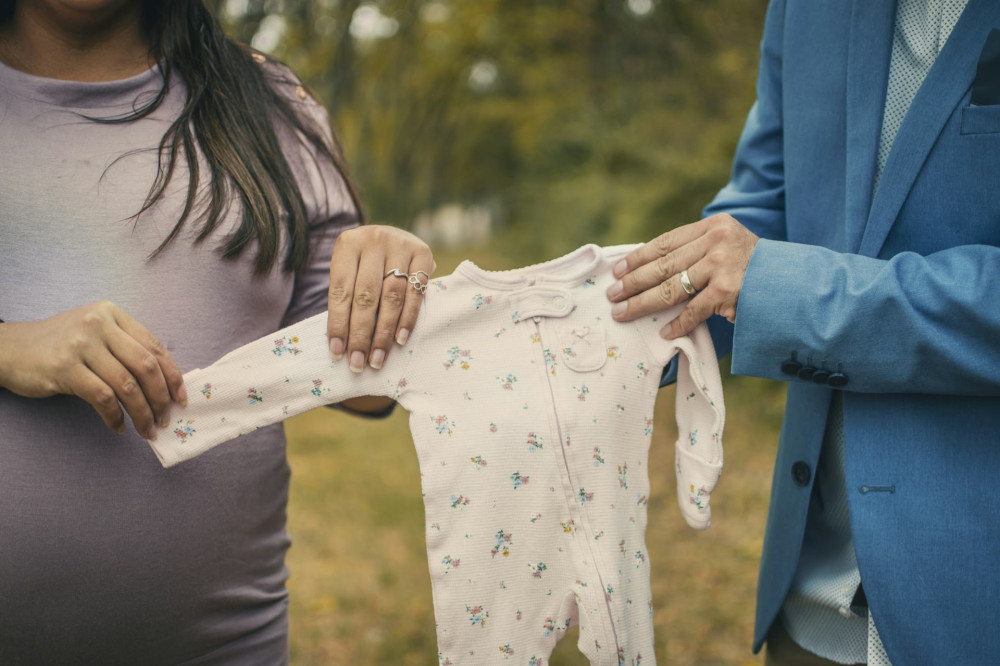
Blazers with Balance: Between Tailored and Relaxed Fit

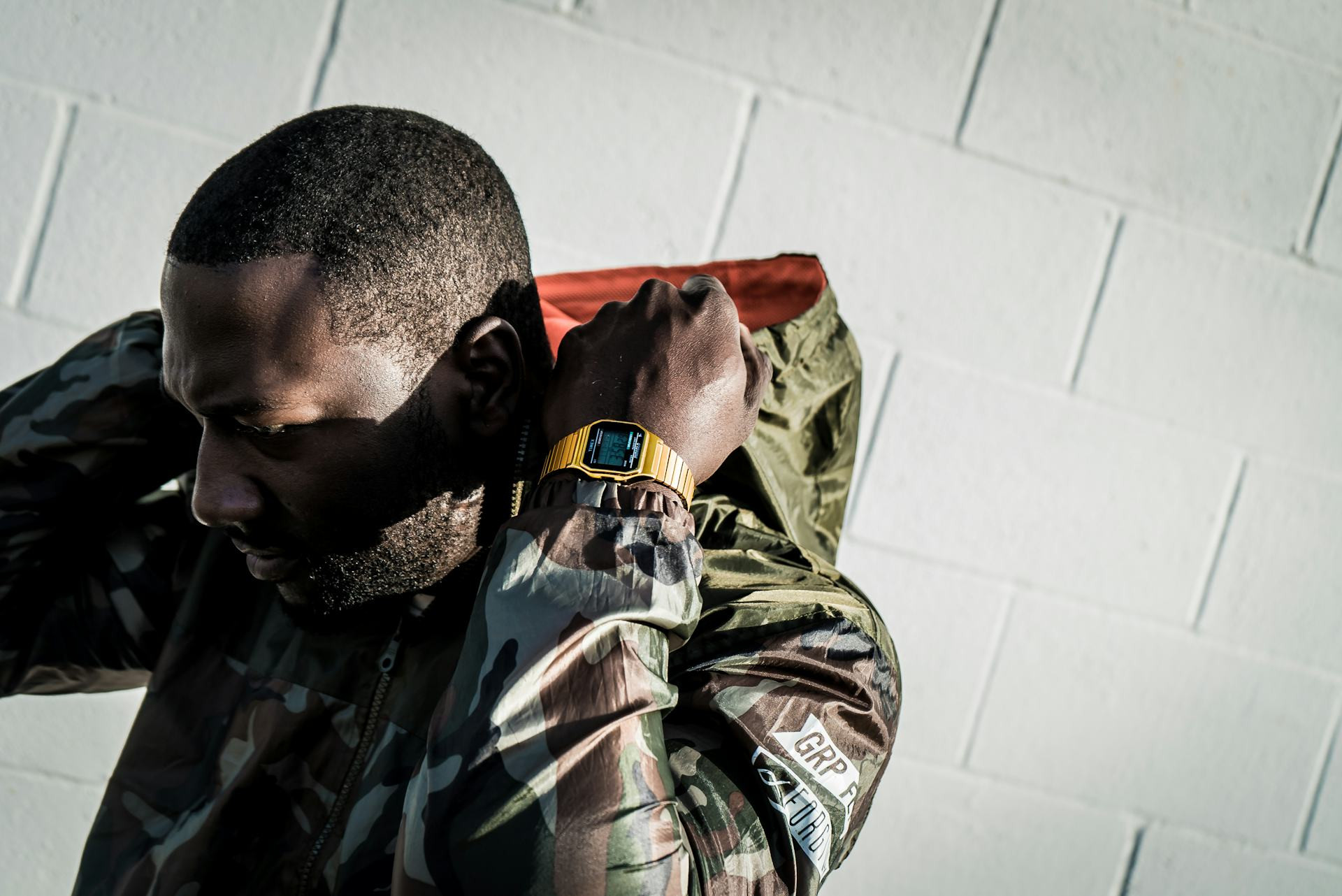
Blazers with Balance: Between Tailored and Relaxed Fit
The modern blazer has evolved far beyond its formal roots. Once reserved for boardrooms and special occasions, it’s now a versatile piece that bridges the gap between professional polish and everyday ease. But finding the right balance between a tailored and relaxed fit can be tricky. Too structured, and it feels stiff or outdated; too loose, and it loses its shape and sophistication. Here’s how to strike that perfect middle ground—where comfort meets confidence.
Fit: The Foundation of Style and Comfort
A blazer’s fit defines not only how it looks but also how it feels. A tailored fit emphasizes clean lines and sharp shoulders, ideal for business meetings or dressier events. It creates a refined silhouette that pairs well with dress shirts and trousers. However, a blazer that’s too tight can restrict movement and feel uncomfortable during long days.
A relaxed fit, on the other hand, offers more room through the chest and arms, making it easier to layer over sweaters or casual shirts. It’s a great choice for creative workplaces, weekend outings, or travel. The key is to find a fit that flatters your frame without feeling constrictive—structured enough to look intentional, yet soft enough to move with you.
Læs også:



Fabrics That Flex with You
The fabric of a blazer plays a major role in how it drapes and performs. Traditional wool remains a classic for its durability and breathability, but modern blends with stretch fibers like elastane or spandex add flexibility and comfort. Cotton and linen blazers are perfect for warmer climates or casual settings, while performance fabrics—often used by American brands focused on mobility—offer wrinkle resistance and moisture control for life on the go.
When trying on a blazer, move naturally: reach forward, lift your arms, and twist your torso. A well-balanced blazer should follow your movements without pulling at the shoulders or bunching at the back.
Layering for Versatility
A balanced blazer should adapt to different settings and seasons. In cooler months, a slightly relaxed fit allows room for layering over a turtleneck or lightweight sweater. In warmer weather, a more tailored cut over a breathable shirt keeps the look crisp without overheating. Think of your blazer as part of a system—something that can shift from office to evening, from business casual to weekend smart.
Details That Define the Look
Small design choices can make a big difference. Soft shoulders and unlined interiors give a blazer a more relaxed, natural drape, while structured lapels and defined seams maintain a professional edge. Patch pockets add a casual touch, whereas welt or flap pockets keep things classic. American designers often blend these elements, creating blazers that feel both modern and timeless.
Color and texture also matter. Navy and charcoal remain staples, but lighter hues, subtle plaids, and textured weaves can add personality without sacrificing versatility. Pairing a blazer with jeans or chinos instantly makes it more approachable, while dress pants or a crisp shirt elevate it for formal occasions.
Finding Your Balance
When choosing a blazer, start with your lifestyle. Do you need something for daily office wear, or a piece that transitions easily from work to weekend? Try on different cuts and fabrics, and pay attention to how they feel when you move. The right blazer should make you feel at ease—neither restricted nor lost in excess fabric.
Ultimately, balance is about confidence. The best blazer is the one that feels like an extension of you: structured enough to show intention, relaxed enough to let you breathe. Whether you’re heading into a meeting, a dinner, or a casual Friday, a well-balanced blazer ensures you look—and feel—effortlessly put together.
Læs også: