Which Clothing Size Works Best in Daycare and School?


Which Clothing Size Works Best in Daycare and School?
When children start daycare or school, their clothes suddenly face new challenges. They need to handle play, movement, frequent washing, and changing weather—while still being comfortable all day long. But which clothing size actually works best for everyday life, where kids need to dress themselves and teachers or caregivers need to help quickly? Here’s a practical guide to choosing the right sizes for daycare and school life in the U.S.
Clothes That Fit—But Don’t Restrict
It can be tempting to buy clothes a size too big so your child can “grow into them,” but oversized clothing can quickly become impractical. Long pant legs, loose sleeves, and baggy tops can make it hard for kids to move freely or dress themselves. On the other hand, clothes that are too small can feel tight and uncomfortable.
As a rule of thumb, daycare and school clothes should fit comfortably—not too tight, not too loose. Choose clothes that fit well now, and keep a few items in the next size up ready for when your child hits a growth spurt.
Freedom to Move and Dress Independently
In daycare and the early school years, independence is key. Children should be able to dress and undress on their own, especially for bathroom breaks or outdoor play. Avoid pants with tricky buttons or zippers that require adult help, and go for elastic waistbands instead.
- Tops: Soft T-shirts and sweatshirts with a bit of stretch are easy to pull on and off.
- Bottoms: Leggings, joggers, or pants with elastic or adjustable waists work best.
- Outerwear: Look for jackets and coats with large zippers or Velcro closures that little hands can manage.
When kids can handle their own clothes, it builds confidence and makes daily routines smoother for everyone.
Durable and Easy to Wash
Kids run, climb, paint, and play hard—so their clothes need to keep up. Choose materials that can handle frequent washing and still hold their shape and color. Cotton blends, fleece, and softshell fabrics are great everyday options.
Always check the care label, and avoid items that require special washing instructions. In a busy household, it’s a big plus if everything can go in the washer and dryer without worry.
It’s also smart to keep an extra set of clothes at daycare or in your child’s backpack—something that still fits but that you won’t mind getting dirty or worn.
Læs også:

Dressing for the Seasons
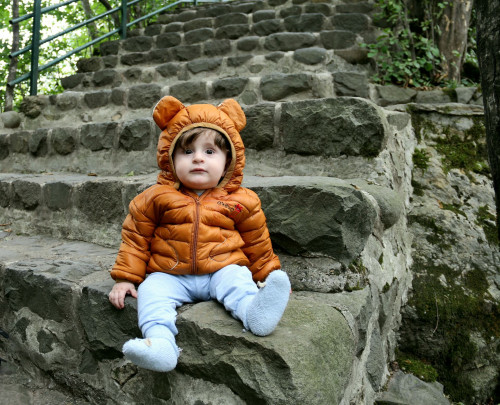
Across the U.S., weather can vary widely, so layering is key. Layers make it easier for kids to stay comfortable whether they’re indoors or outside.
- Spring and Fall: A lightweight jacket that fits over a sweatshirt is ideal.
- Winter: Coats and snow pants should have enough room for base layers and fleece underneath, but not be so big that movement is restricted.
- Summer: Lightweight cotton and properly fitted UV-protective clothing help keep kids cool and safe from the sun.
A good layering system helps children regulate their temperature and makes it easier for teachers or caregivers to help with outfit changes.
U.S. Size Guide – Finding the Right Fit
In the U.S., children’s clothing sizes are usually based on age, but every brand fits a little differently. When possible, use your child’s height and weight as a guide rather than relying only on age.
| Age (approx.) | Height (inches) | Typical U.S. Size | |----------------|-----------------|-------------------| | 2–3 years | 33–38 | 2T–3T | | 3–4 years | 38–41 | 4T | | 4–5 years | 41–44 | 5 | | 5–6 years | 44–46.5 | 6 | | 6–7 years | 46.5–49.5 | 6X–7 | | 7–8 years | 49.5–52 | 8 |
If your child is between sizes, it’s usually best to size up—especially if you want the clothes to last through a full season.
Practical Tips for Everyday Life
- Label everything: Write your child’s name on all clothing, including socks and hats. It saves time and confusion.
- Skip unnecessary details: Avoid drawstrings, dangling decorations, or anything that can get caught on playground equipment.
- Think function first: Choose clothes that can mix and match easily and work for both indoor and outdoor play.
- Buy multiples: When you find a style that fits well and holds up, buy more than one. You’ll always have a clean backup ready.
The Best Size Is the One That Fits Your Child
There’s no single “perfect” size that works for every child. The most important thing is that the clothes allow your child to move freely, play comfortably, and feel confident. When clothes fit well, everyday life becomes easier—for your child, for you, and for the caregivers and teachers who help along the way.
Læs også: