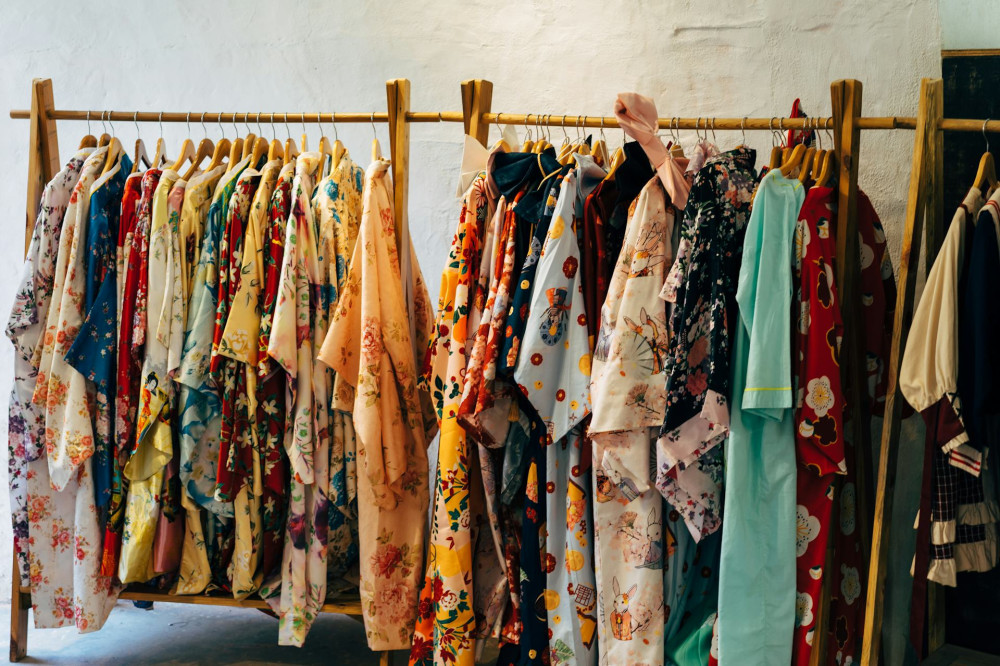
Get the Kids’ Wardrobe Ready for Next Season: A Guide to Smart Clothing Storage

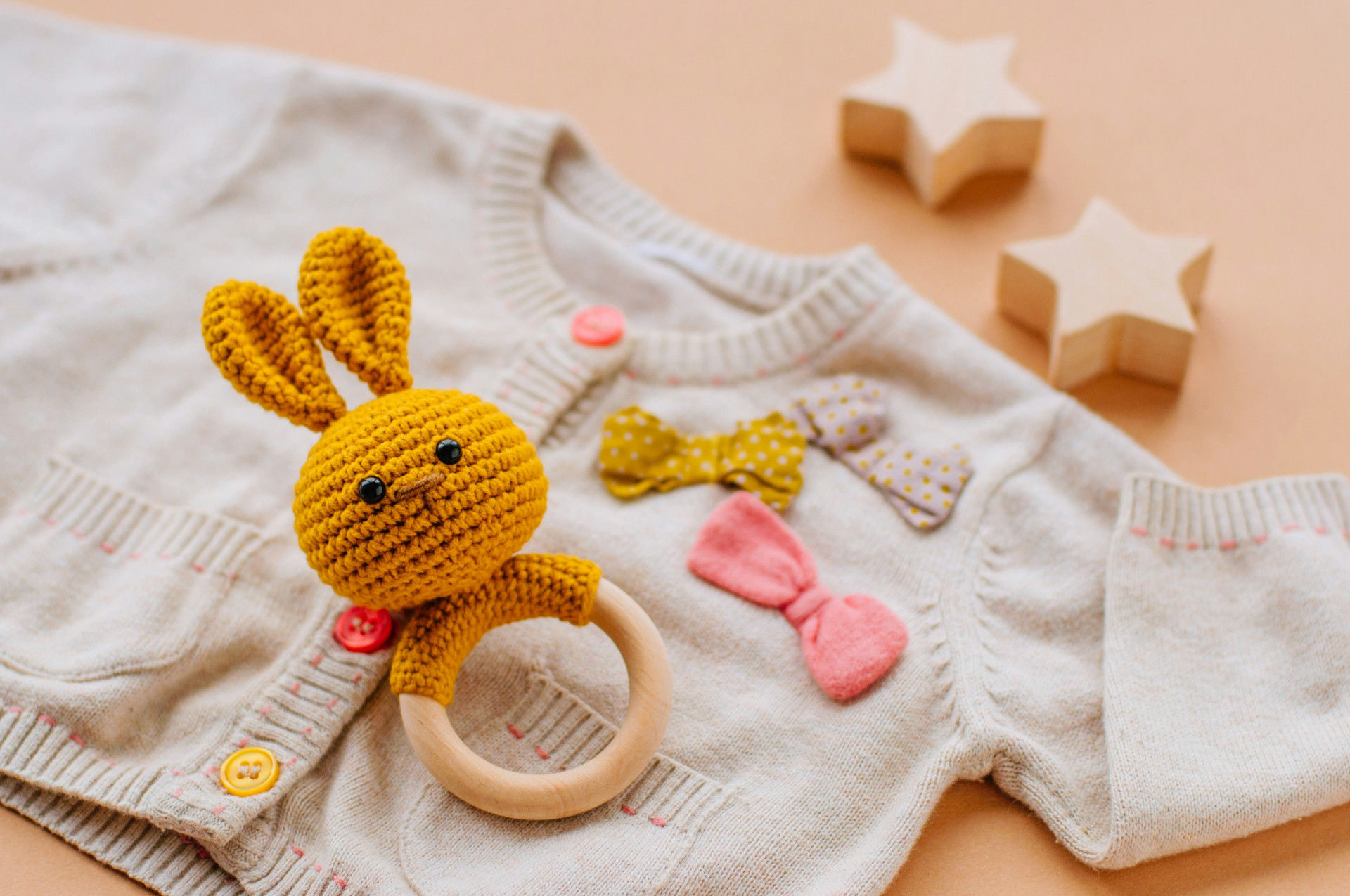
Get the Kids’ Wardrobe Ready for Next Season: A Guide to Smart Clothing Storage
When the seasons change, kids’ wardrobes seem to change just as fast. One week they’re wearing shorts, and the next they need sweaters and boots. Keeping up with growing children and shifting weather can feel like a full-time job. But with a little planning and some smart storage strategies, you can make the seasonal wardrobe switch simple and stress-free. Here’s how to get your kids’ clothes organized and ready for the next season.
Start by Taking Inventory
Before you start packing things away or shopping for new clothes, take stock of what you already have. Pull everything out of the closet and sort it into three piles:
- Still fits – clothes that can be worn in the upcoming season.
- Too small – items to donate, sell, or save for younger siblings.
- Worn out or damaged – pieces to repair, recycle, or toss.
It might look like a big task, but this step gives you a clear picture of what’s needed and what can be reused. Plus, it helps declutter the closet so you only keep what’s useful.
Wash, Repair, and Prep
Before storing clothes, make sure they’re clean and in good condition. Stains can set over time, and small holes won’t fix themselves.
- Wash and dry thoroughly so clothes are clean and completely dry before storage.
- Sew on missing buttons or patch small holes so items are ready to wear when you bring them out again.
- Add a fresh scent with lavender sachets or dryer sheets to keep clothes smelling nice.
Here’s a handy tip: take photos of the outfits you’re storing and save them on your phone. When the next season rolls around, you’ll know exactly what’s packed away.
Læs også:

Choose the Right Storage
Where and how you store clothes makes a big difference in how well they hold up. Avoid damp basements or hot attics—clothes do best in a cool, dry place.
- Plastic bins with lids protect against dust and moisture.
- Fabric or vacuum-sealed bags save space and keep clothes fresh.
- Labels make it easy to find what you need later.
Label bins clearly, such as “Winter – Size 6–7” or “Summer – 3T,” so you can grab the right box when the weather changes.
Make Room for the New Season
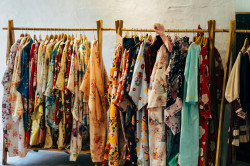
Once the off-season clothes are packed away, it’s time to set up for the current one. Hang or fold the clothes your kids will wear most often and make sure they can reach their everyday items. This encourages independence and keeps mornings running smoothly.
Try organizing the closet into categories:
- Everyday wear – comfortable clothes for school and play.
- Extra outfits – backups for daycare or after-school activities.
- Dress clothes – for special occasions.
- Outerwear – jackets, rain gear, and shoes for the season.
A clear system helps you see what’s missing and what needs replacing before the next growth spurt hits.
Think Sustainable and Budget-Friendly
Kids outgrow clothes quickly, but that doesn’t mean everything has to go to waste. A few sustainable habits can save money and reduce waste.
- Swap or share clothes with friends, neighbors, or family.
- Shop secondhand – thrift stores and online resale sites often have like-new kids’ clothes.
- Invest in quality – durable fabrics last longer and can be passed down.
- Keep a “next size up” box so you’re ready when your child grows.
It’s not about having the most clothes—it’s about having the right ones, in good condition and ready to wear.
Make It a Family Project
If your kids are old enough, involve them in the process. Let them help decide what to keep or donate. It teaches responsibility and gives them a sense of ownership over their wardrobe.
For younger kids, turn it into a game—try a “clothing treasure hunt” where you find items to pack away together. It makes organizing more fun and a little faster.
A Wardrobe That Works All Year
Once you’ve set up a system, switching between seasons becomes much easier. You’ll save time, avoid last-minute scrambles, and get more use out of the clothes you already own. A well-organized wardrobe isn’t just practical—it brings a little calm to busy family life.
So when the next season rolls in, you’ll be ready. You’ll know exactly where the rain boots are and that the winter coats are clean and waiting. That’s everyday organization at its best.
Læs også: