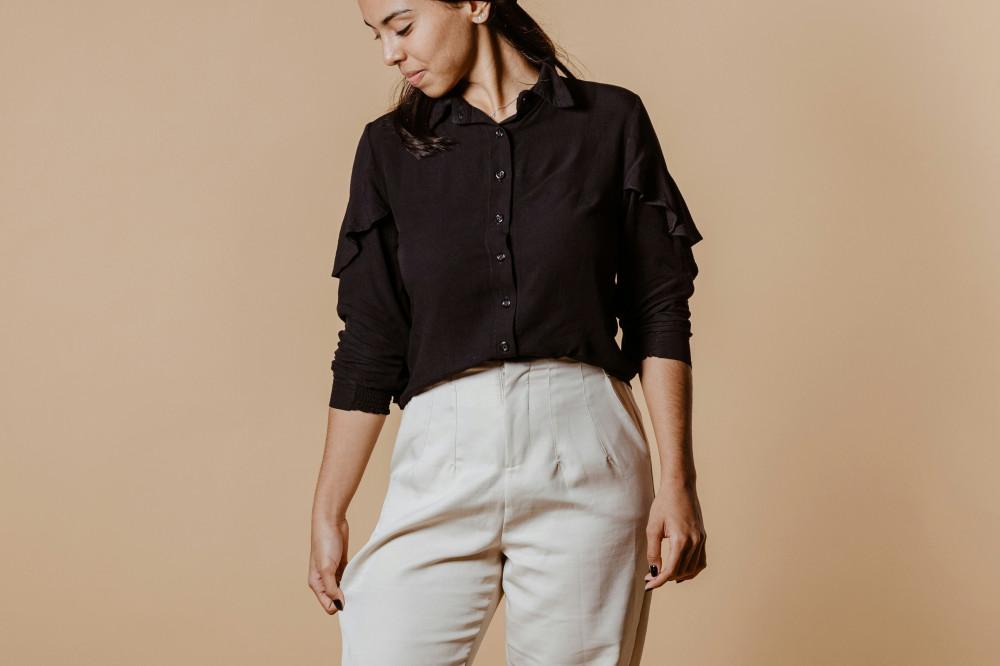
When Nature and Technology Meet: Fibers That Enhance Pants’ Performance


When Nature and Technology Meet: Fibers That Enhance Pants’ Performance
Pants are no longer just a basic garment meant to cover the body. Today, they represent a fusion of natural materials and advanced textile technology designed to deliver comfort, durability, and performance. From water-repellent finishes to temperature-regulating fibers, innovation in fabric development has transformed pants into high-functioning apparel suited for nearly any activity or lifestyle. But how exactly do nature and technology come together in the fabric we wear?
Nature’s Strength as a Foundation
Many of the most advanced textiles still begin with what nature provides. Wool, cotton, linen, and silk have been used for centuries because of their unique properties—qualities that synthetic fibers continue to emulate.
- Wool naturally regulates temperature and can absorb moisture without feeling damp, making it ideal for both winter trousers and lightweight outdoor wear.
- Cotton is soft, breathable, and comfortable against the skin—perfect for everyday pants.
- Linen offers a cooling effect, making it a favorite for summer clothing.
However, natural fibers have their limitations. They can shrink, lose shape, or take a long time to dry. That’s why modern textile engineers often blend them with synthetic fibers to enhance performance.
The Technological Edge: Synthetic and Technical Fibers
Synthetic fibers such as polyester, nylon, and spandex were developed to give fabrics properties that nature alone can’t provide. They make pants more durable, flexible, and quick-drying—qualities especially valued in activewear and workwear.
- Polyester is lightweight, strong, and resistant to wrinkles.
- Nylon adds toughness and is often used in pants designed for heavy-duty use.
- Spandex (elastane) provides stretch and freedom of movement—a key reason why stretch jeans and yoga pants have become wardrobe staples.
By blending natural and synthetic fibers, manufacturers can create fabrics that combine the best of both worlds: the comfort of nature and the functionality of technology.
Smart Features in Modern Pants
Innovation doesn’t stop at the fiber level. Today’s pants often incorporate advanced treatments and smart technologies directly into the fabric. Some feature water-repellent nanocoatings that cause raindrops to roll off, while others include built-in UV protection woven into the fibers. There are even textiles that neutralize odor using silver ions or regulate temperature through phase-change materials that absorb and release heat as needed.
For American consumers—whether hiking in the Rockies, biking to work, or running errands in unpredictable weather—these features mean pants that adapt to activity and environment without sacrificing style or comfort.
Læs også:



Sustainability: A New Dimension in Fabric Innovation
As technology has made pants more advanced, it has also raised concerns about environmental impact. Producing synthetic fibers consumes energy and can release microplastics into the environment. In response, many brands are now developing bio-based and recyclable fibers.
Examples include recycled polyester made from plastic bottles and Tencel, a fiber derived from sustainably sourced wood pulp. These materials combine technical performance with a smaller ecological footprint—an important step toward a more responsible textile industry.
The Future of Pants: Intelligent and Adaptive
Researchers and designers are already exploring the next generation of textiles: smart fibers that can monitor body temperature, moisture, or movement. In the near future, pants might automatically adjust ventilation, send data to your smartphone, or even charge small electronic devices through woven conductive threads.
It may sound futuristic, but progress is rapid. The intersection of natural materials and technological innovation points toward a future where clothing doesn’t just fit our bodies—it interacts with them.
When Nature and Technology Work Hand in Hand
From classic denim to high-performance outdoor gear, textile development shows how nature and technology can complement each other. The best pants today are those that unite comfort, function, and responsibility—proving that innovation doesn’t mean leaving nature behind, but learning from it.
Læs også: