Fit and Function: How the Cut Affects How Easy Pants Are to Put On and Take Off

Fit and Function: How the Cut Affects How Easy Pants Are to Put On and Take Off
When shopping for pants, most people focus on style, comfort, and price. But there’s another factor that often goes unnoticed: how easy they are to put on and take off. It’s not just about zippers and buttons — the cut, or the way the pants are shaped and sewn, plays a major role. The cut affects mobility, fit, and everyday practicality.
The Cut Determines Ease of Movement
A slim or tapered cut can look sleek, but it can also make pants harder to pull on or off — especially if the fabric doesn’t stretch. When pants fit tightly around the hips, thighs, or calves, it takes more effort (and sometimes a bit of wiggling) to get them off. A looser cut, on the other hand, gives you more room to move and allows the fabric to slide more easily.
Fabric choice matters too. Jeans with a bit of spandex or pants made from soft, flexible weaves adapt to your body and make dressing smoother. Stiffer materials like raw denim or heavy wool require a more thoughtful cut to remain practical.
Waist Height and Closures Make a Difference
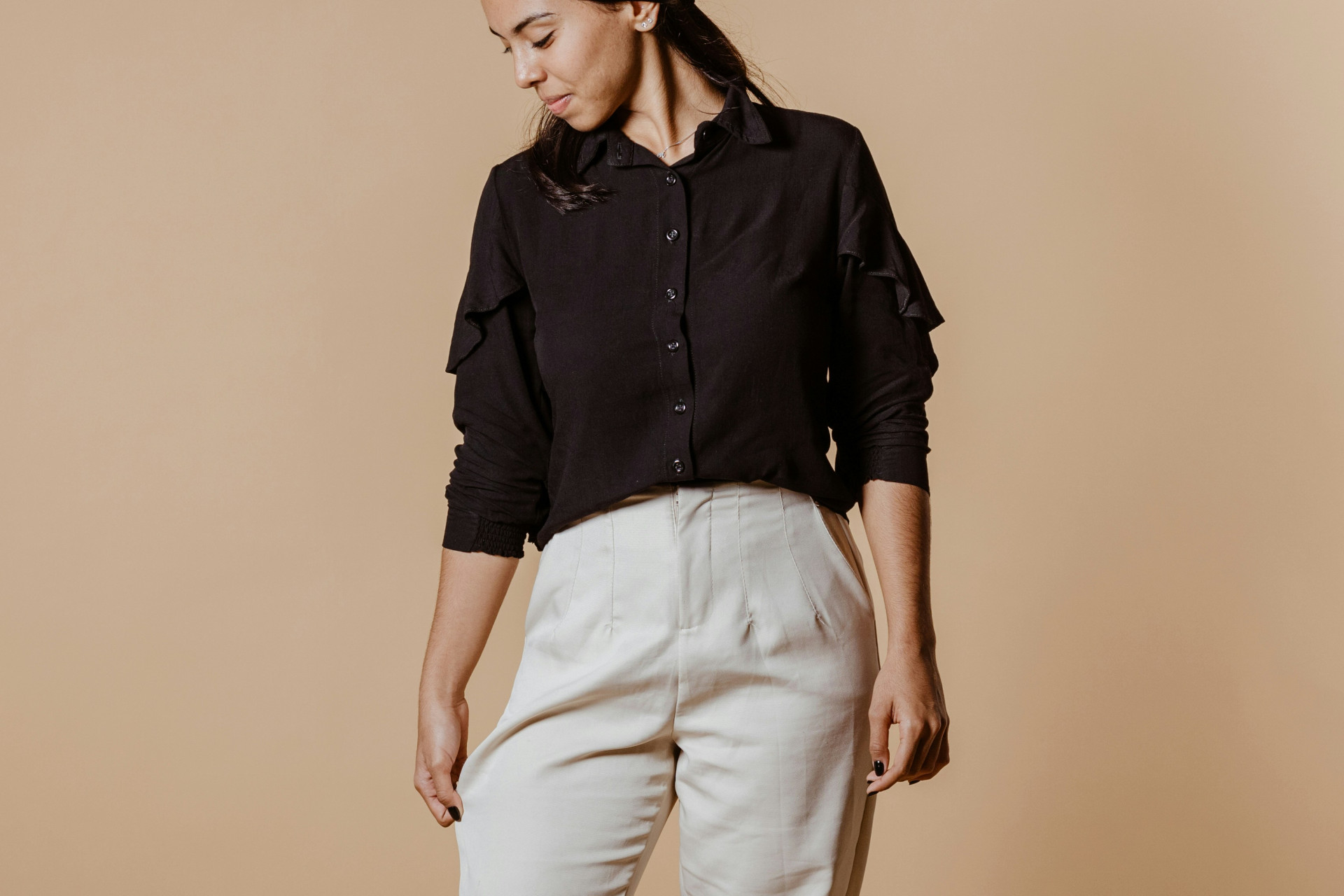
Where the waistband sits on your body can change how easy pants are to handle. High-waisted styles can be trickier to pull over the hips, while mid-rise or low-rise cuts often slide on more easily. The type of closure also matters: a zipper with a single button is faster than a row of small buttons, and an elastic waistband makes the process even simpler.
For people with limited mobility — such as older adults or those with arthritis — these details can make a big difference. Pants with elastic waists, Velcro closures, or side openings can make dressing more comfortable and independent.
Cut and Function in Everyday Life
The cut isn’t just about looks; it’s about how the pants work in real life. Workwear, athletic pants, and casual wear are often designed with practicality in mind: extra room at the knees, gussets in the crotch, or zippers at the ankles. These features make it easier to take pants off without removing shoes and improve comfort during movement.
In fashion, however, the opposite is often true — narrow cuts and rigid fabrics that prioritize appearance over function. They may look great, but they’re not always convenient when you’re in a fitting room or rushing out the door.
Fit Is Personal
What feels easy for one person might be awkward for another. Body shape, height, and proportions all play a role. That’s why it’s important to test pants in motion — not just stand still in front of the mirror. Sit down, bend over, and try pulling them on and off. It’s the best way to see how they’ll perform in daily life.
Many brands now offer multiple fits — slim, straight, relaxed — to accommodate different needs. This variety makes it easier to find a cut that looks good and functions well.
Læs også:



A Matter of Balance
The ideal pair of pants combines style and practicality. A well-designed cut should follow the body’s shape without restricting movement. Pants should be easy to put on and take off, yet still drape nicely and feel comfortable once they’re on.
Next time you’re trying on pants, pay attention to how they move with you — not just how they look. A thoughtful cut can make your everyday routine more comfortable, efficient, and stylish.
Læs også: