Well-being isn’t about perfection – find your own balance

Well-being isn’t about perfection – find your own balance
In a culture that often celebrates productivity, flawless routines, and picture-perfect lifestyles, it’s easy to believe that well-being means doing everything “right.” But true well-being isn’t about perfection—it’s about finding a balance that fits your life. It’s in the small choices, the everyday moments, and the way you treat yourself that genuine well-being begins to grow.
Perfection is an illusion
Many of us associate well-being with eating clean, exercising regularly, and staying on top of our goals—and those things can certainly help. But when health becomes a pressure instead of a pleasure, it loses its meaning. The pursuit of perfection can actually create more stress and dissatisfaction.
Skipping a workout, ordering takeout, or taking a day off from your to-do list doesn’t make you less healthy. In fact, it can be a sign that you’re listening to your body and your needs. Well-being is about knowing your limits and accepting that life naturally ebbs and flows.
Listen to your body—and your mind
Your body is constantly sending signals, but in the rush of daily life, it’s easy to ignore them. Maybe your shoulders are tense, your sleep is restless, or you feel drained no matter how much coffee you drink. These are signs that something is out of balance.
Try building small pauses into your day to check in with yourself. Step outside for a short walk without your phone, take a few deep breaths between meetings, or enjoy a quiet cup of coffee before the day begins. These simple moments can make a real difference for both body and mind.
Create your own rituals
Well-being doesn’t have to be expensive or time-consuming. It’s about creating small rituals that bring you calm and joy. For some, that might be a morning stretch or meditation; for others, it’s an evening bath or reading before bed.
- Start your day gently – Avoid checking your phone first thing. Give yourself a few minutes to wake up at your own pace.
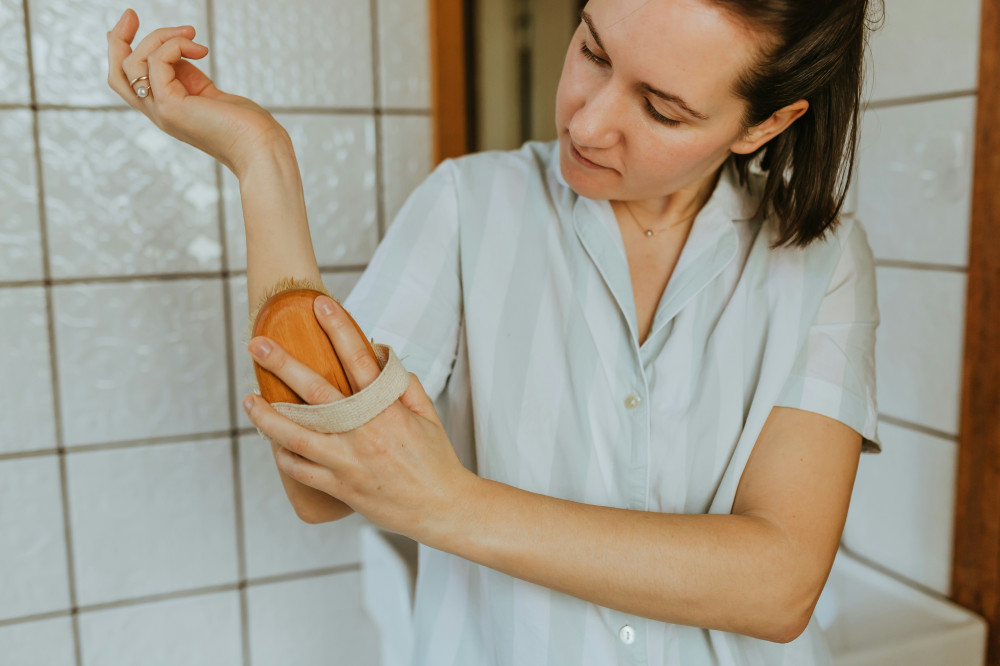
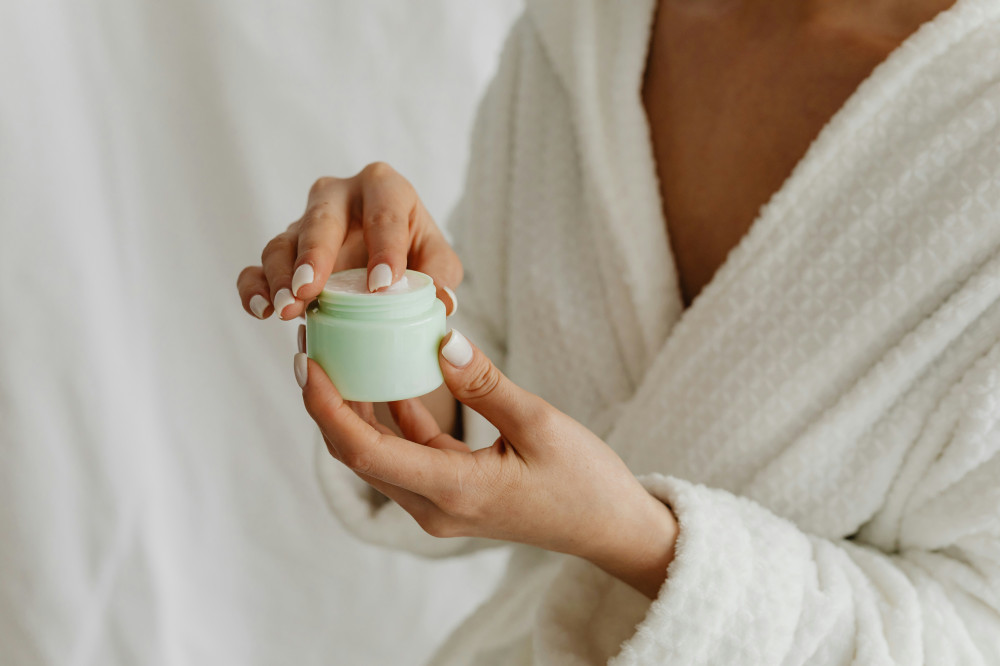
- Engage your senses – Light a candle, use a favorite lotion, or savor your morning coffee without multitasking.
- End your day intentionally – Turn off screens early and create a bedtime routine that signals rest.
When you repeat small actions, they become habits—and habits build a sense of stability and balance.
Læs også:



Compare less, feel more
One of the biggest sources of dissatisfaction today is comparison. We see others’ fitness routines, home makeovers, and “perfect” lives online and start to feel like we’re not doing enough. But remember: you’re only seeing a highlight reel, not the full story.
Instead of comparing, ask yourself: What actually makes me feel good? Maybe it’s a slow Sunday morning, a walk in the park, or dinner with friends. When you focus on what truly nourishes you, it becomes easier to let go of other people’s standards.
Balance is not static
Balance isn’t something you find once and keep forever—it shifts with your life, your seasons, and your needs. Some periods call for rest, others for action. The key is to stay curious about what you need right now and to give yourself permission to adjust.
Finding balance isn’t about doing everything perfectly. It’s about creating a life where you can thrive—with room for both structure and spontaneity, health and pleasure, work and rest.
Well-being begins with acceptance
When you accept that you don’t have to be perfect to feel well, you open the door to genuine well-being. It’s not a finish line to cross but a way of living—a way of meeting yourself with kindness, even on the messy days.
In the end, well-being is about being in tune with yourself—and finding the balance that feels right for you.
Læs også: