Beauty as Culture: Clothing, Colors, and Symbolism Across the World

Beauty as Culture: Clothing, Colors, and Symbolism Across the World
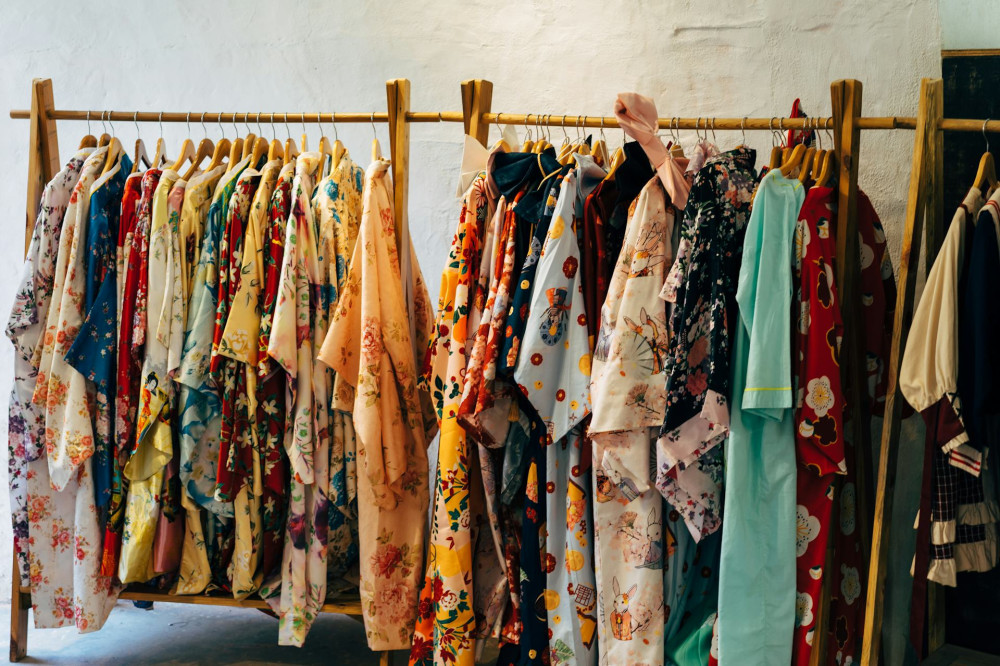
What does it really mean to be beautiful? The answer depends on where you ask. Beauty is not only about aesthetics—it is deeply tied to culture, history, and identity. Clothing, colors, and symbols shape how people express themselves and how they are perceived by others. From Japan’s elegant kimonos to Nigeria’s vibrant geles, what we wear tells stories of belonging, status, and values.
Clothing as a Cultural Language
In many societies, clothing functions as a language without words. It signals who we are and where we come from. In India, a sari can reveal region, religion, and social standing, while a Scottish kilt tells of clan and heritage. In the Middle East, the abaya and hijab carry both religious and cultural meaning, yet they are also reinterpreted today as expressions of modern fashion.
In the United States, clothing has long been a form of individual expression, but cultural codes still exist. A business suit can symbolize professionalism and authority, while jeans and sneakers might represent freedom and creativity. From cowboy boots to hip-hop streetwear, American fashion reflects a blend of personal identity and cultural storytelling.
The Hidden Meanings of Color
Colors are universal, but their meanings are anything but. In China, red symbolizes luck and happiness, making it a favorite for weddings and New Year celebrations. In many Western cultures, white represents purity and is worn by brides, while in parts of Asia it is the color of mourning.
Across Africa, colors often carry deep symbolic weight. In Ghana, gold represents wealth and spirituality, while green stands for growth and life. In Latin America, bright colors express joy and vitality—a legacy of indigenous traditions and colonial influences blending over centuries.
Even in modern fashion, color symbolism continues to matter. Designers draw inspiration from cultural color codes, and consumers often choose hues that reflect their mood, values, or heritage. In the U.S., the red, white, and blue of the national flag have become powerful symbols of identity, appearing in everything from sportswear to political fashion.
Changing Ideals of Beauty
What is considered beautiful changes over time—and from place to place. In some cultures, beauty is associated with fullness and maturity; in others, with youth and slenderness. In Japan, pale skin was once a sign of high status, while in the West, a sun-kissed tan often suggests health and leisure.
Globalization has blurred these boundaries. Social media and the global fashion industry have created a more uniform aesthetic, but they have also sparked a renewed interest in authenticity and cultural diversity. Many young Americans are rediscovering their roots, blending traditional elements with contemporary style as a way to reclaim and celebrate their heritage.
Læs også:



Symbolism and Identity in a Global Age
As cultural borders become more fluid, clothing and color serve as tools for navigating between tradition and innovation. A Nigerian-American designer might merge African prints with Western tailoring, while a California-based artist could draw inspiration from Japanese minimalism. It is in these intersections that new forms of beauty emerge.
At the same time, questions of cultural respect and appropriation arise. When does inspiration become exploitation? Many designers today are working consciously to honor and credit the cultures they draw from, promoting a more ethical and inclusive fashion world.
Beauty as a Shared Human Story
No matter where we are, beauty is ultimately about more than appearance. It is about expression, connection, and storytelling. Through clothing, colors, and symbols, we show who we are—and learn to understand one another across cultures.
When we view beauty as culture, diversity becomes not a challenge but a gift. Every color, pattern, and garment carries a story, and together they form a global tapestry of human creativity and identity.
Læs også: