Peace at Home: Create Harmony with Fewer Distractions and Simple Solutions

Peace at Home: Create Harmony with Fewer Distractions and Simple Solutions
In a world filled with constant noise, notifications, and endless to-do lists, many Americans long for a home that feels calm and restorative. A place where you can breathe deeply, slow down, and reconnect with what truly matters. But peace at home isn’t just about silence—it’s about balance, simplicity, and intentional choices. Here’s how you can create harmony in your home with fewer distractions and simple, mindful solutions.
Make Space for Calm—Physically and Mentally
A peaceful home starts with your surroundings. Cluttered surfaces and overfilled rooms can create a sense of chaos, even when you don’t consciously notice it. Begin by tackling one area at a time and ask yourself what truly adds value to your life.
- Clear the excess – keep only what you use or what brings you joy.
- Leave breathing room – empty spaces help your eyes and mind rest.
- Create zones – dedicate small areas for reading, reflection, or quiet time.
When your environment feels calm, your mind follows. It’s not about perfection—it’s about creating a space where you can exhale and feel at ease.
Læs også:
Quiet the Noise—Both Physical and Digital
Noise is one of the biggest sources of stress at home. It’s not just the hum of traffic or appliances, but also the constant buzz of screens and alerts.
- Soften sound with rugs, curtains, and cushions to absorb echoes.
- Designate quiet zones – a corner without electronics can become your personal retreat.
- Take digital breaks – silence notifications and set screen-free hours, especially before bedtime.
Reducing noise helps you tune in to what truly energizes you—and tune out what drains you.
Light and Color That Soothe
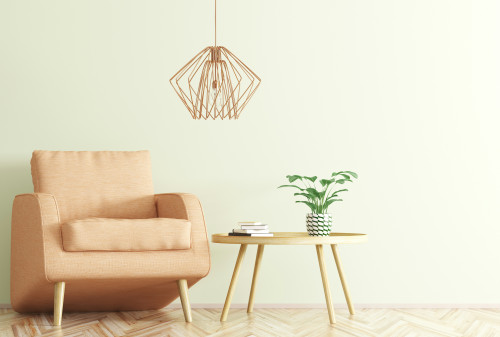
Light and color have a powerful effect on mood. A peaceful home often features soft tones and natural light that shifts gently throughout the day.
- Choose calming colors like warm neutrals, soft greens, or earthy shades.
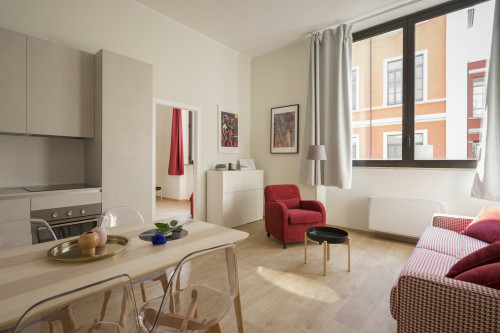
- Maximize daylight – use mirrors to reflect light and avoid heavy drapes.
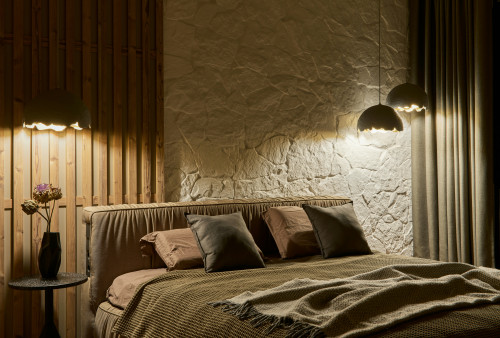
- Opt for warm lighting in the evening – lamps with soft bulbs create a cozy, relaxed atmosphere.
Small changes in lighting and color can transform how a room feels and how you feel in it.
Thoughtful Design—Less Can Be More
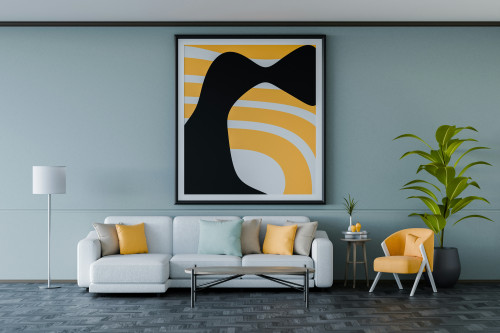
Minimalism isn’t about living without—it’s about living with intention. When you surround yourself with fewer, well-chosen items, each one carries more meaning.
- Prioritize quality over quantity – invest in pieces that last and that you love.
- Incorporate natural materials like wood, cotton, and clay for warmth and texture.
- Balance beauty and function – a peaceful home should be both comfortable and inviting.
A home with fewer distractions gives you more space for connection, creativity, and rest.
Make Calm a Daily Habit
Peace at home doesn’t come from décor alone—it’s also about daily habits. Simple routines can help maintain harmony and prevent stress from creeping back in.
- Spend five minutes tidying up each evening so you wake to a calm space.
- Open a window and light a candle when you get home—it signals a shift from busy to relaxed.
- Create small rituals that ground you: a cup of tea, a few deep breaths, or a quiet moment on the couch.
When calm becomes part of your routine, your home becomes a place that supports you, not one that demands from you.
A Home That Nurtures Life
Creating peace at home isn’t about stripping away life—it’s about making room for it. A harmonious home is one where you can be yourself, recharge, and feel balanced. With a few simple changes, mindful choices, and a bit of patience, you can turn your home into a sanctuary that gives you energy instead of taking it away.
Læs også: