Men’s Fashion in Transition: Silhouettes and Cuts Through the Decades

Men’s Fashion in Transition: Silhouettes and Cuts Through the Decades
Men’s fashion has always mirrored its time—reflecting social ideals, technological progress, and cultural shifts. From the sharp suits of the 1950s to today’s relaxed streetwear, silhouettes and cuts have evolved dramatically. Yet behind every change lies a common thread: the desire to express identity through clothing. This article explores how men’s fashion has transformed through the decades and what defines each era.
The 1950s: Classic Elegance
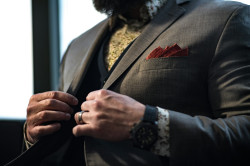
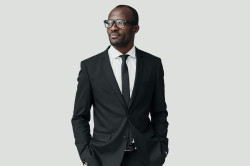
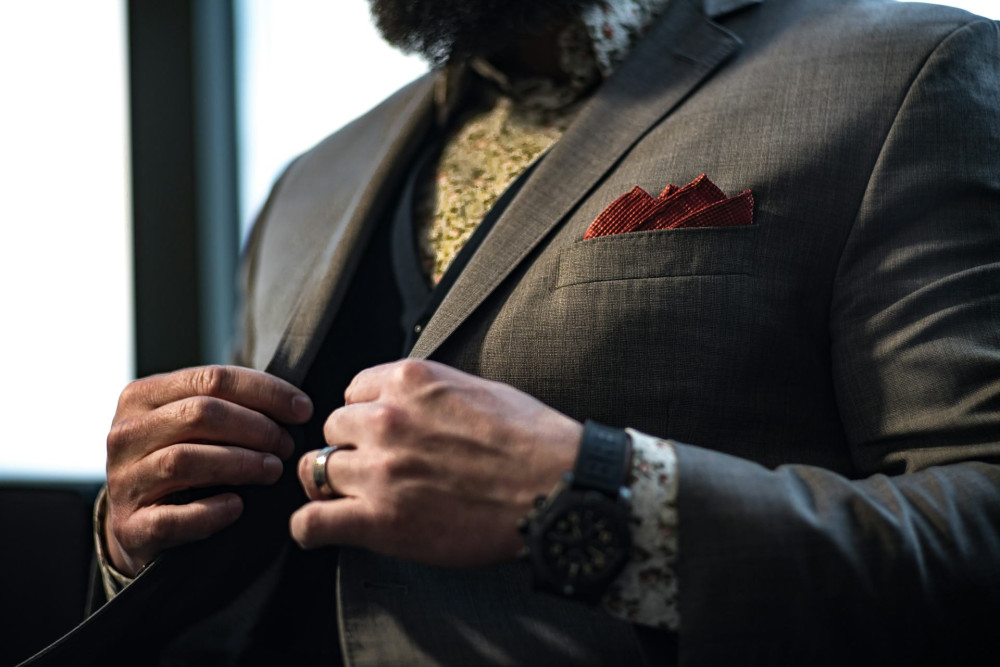
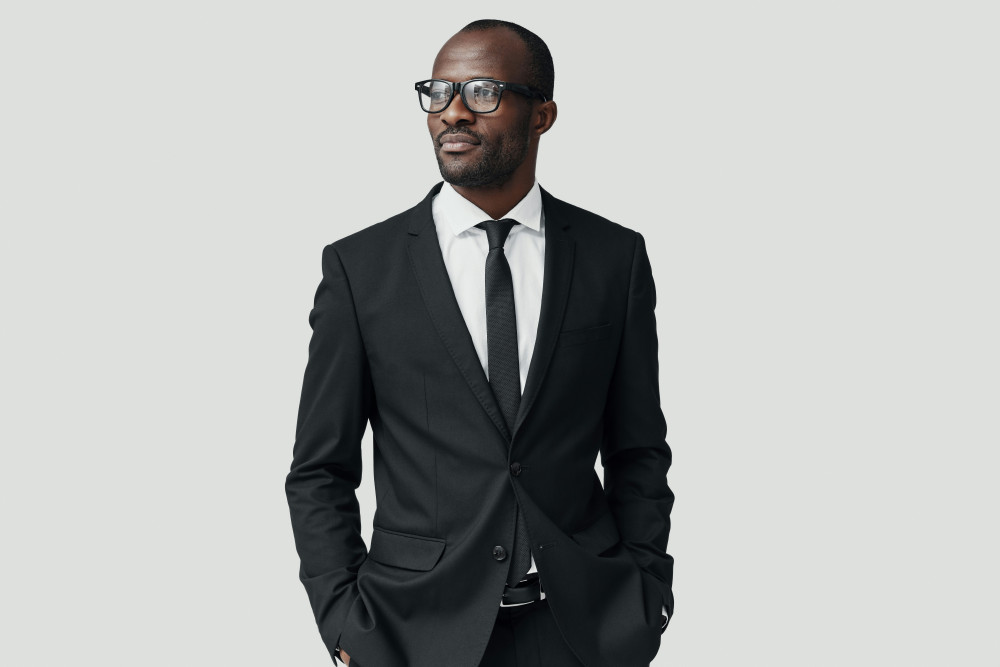
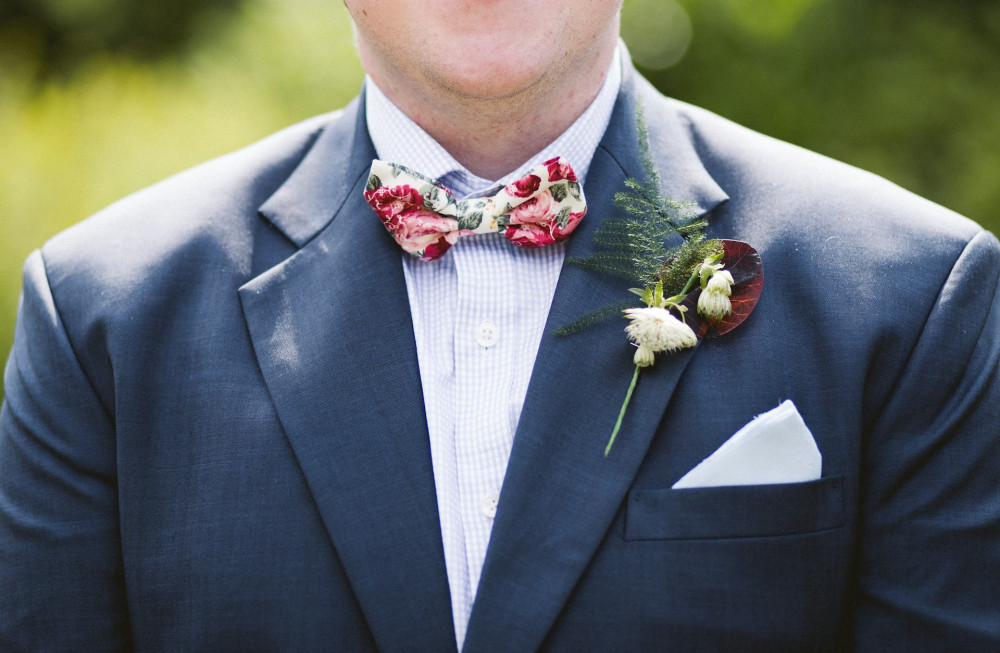
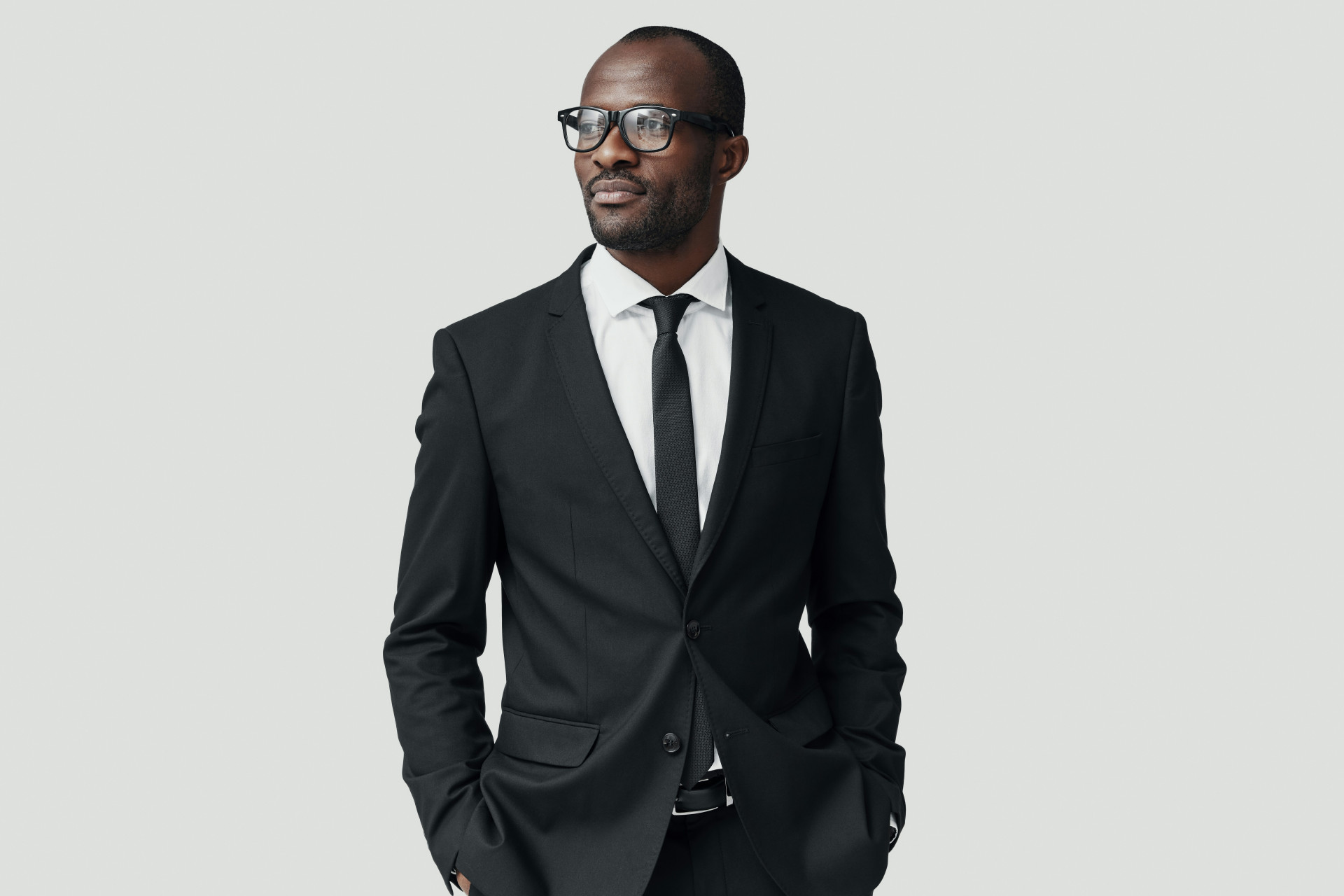
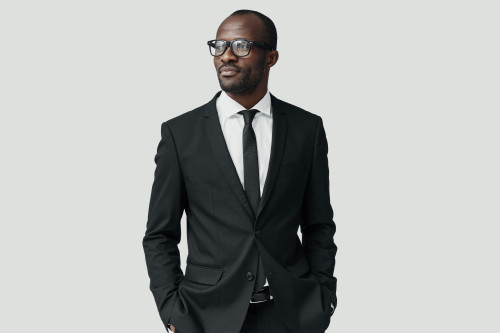
Postwar America sought stability and respectability, and men’s clothing reflected that mood. The suit was the uniform of the modern man—structured shoulders, narrow lapels, pressed trousers, and polished leather shoes. The silhouette was clean and masculine, inspired by Hollywood icons like Cary Grant and Gregory Peck. Colors were conservative—gray, navy, and brown—and garments were built to last. Tailoring and craftsmanship were prized, and dressing well was a sign of discipline and success.
The 1960s: Youthful Rebellion and New Shapes
The 1960s brought a wave of youthful energy and cultural revolution. The younger generation rejected rigid formality, and fashion followed suit. Pants became slimmer, jackets shorter, and colors bolder. The British Mod movement influenced American style with its fitted suits, skinny ties, and Chelsea boots, while pop culture introduced patterns, pastels, and playful cuts. For the first time, men’s fashion became a vehicle for individuality and self-expression.
The 1970s: Freedom, Flair, and Wide Legs
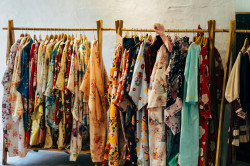
Few decades are as instantly recognizable as the 1970s. Pants flared, collars widened, and colors exploded in earthy tones, oranges, and mustard yellows. Synthetic fabrics like polyester and velvet became popular, reflecting the decade’s experimental spirit. From disco’s shiny shirts to the laid-back denim of the counterculture, men’s fashion embraced diversity and creativity. It was a time when men truly began to have fun with style.
The 1980s: Power Dressing and Status
The 1980s reintroduced structure and authority. Economic optimism and the rise of corporate culture created a new masculine ideal: the powerful businessman. Suits returned with broad shoulders, double-breasted jackets, and bold pinstripes. The silhouette was assertive and confident. At the same time, sportswear gained prominence. Tracksuits, sneakers, and visible logos became status symbols, blurring the line between formal and casual wear. Fashion was no longer just about looking good—it was about projecting success.
The 1990s: Minimalism and Relaxed Attitude
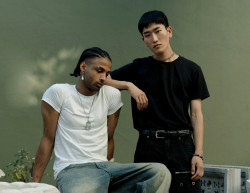
After the excess of the 1980s, the 1990s embraced simplicity. Influenced by American streetwear and minimalist design, fashion became more understated. Jeans, plain T-shirts, and simple button-downs dominated, often in neutral tones—black, white, gray, and denim blue. Designers like Calvin Klein and Helmut Lang championed clean lines and functional cuts. Meanwhile, subcultures like grunge and hip-hop introduced oversized silhouettes and a new sense of casual cool, redefining what it meant to dress with attitude.
The 2000s and 2010s: Individuality and Hybrid Styles
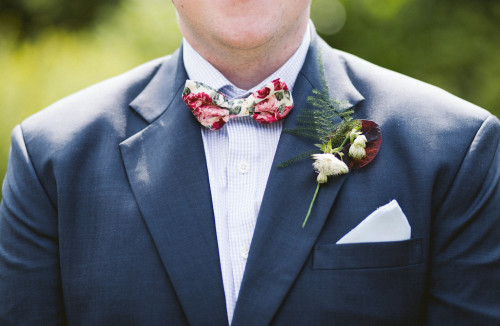
The new millennium brought fragmentation and freedom. The internet and globalization allowed styles to mix and evolve faster than ever. Slim-fit jeans, minimalist sneakers, and vintage-inspired jackets became staples, while streetwear and luxury fashion began to merge. Men started to see fashion as a form of personal storytelling. Experimentation became mainstream—whether through tailored suits, skatewear, or a blend of both.
Læs også:
The 2020s: Comfort, Sustainability, and New Ideals
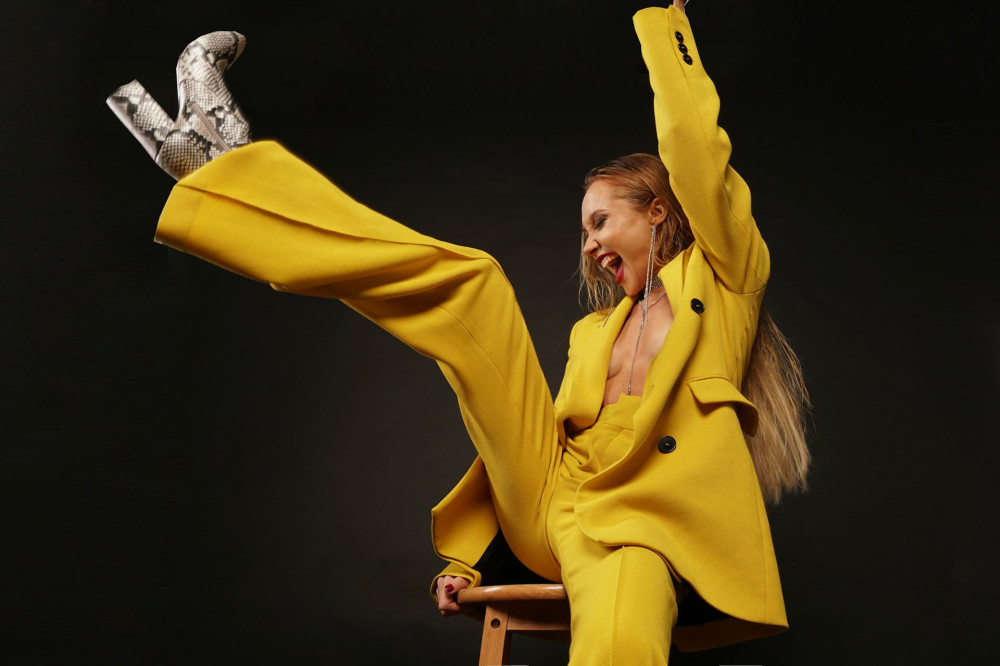
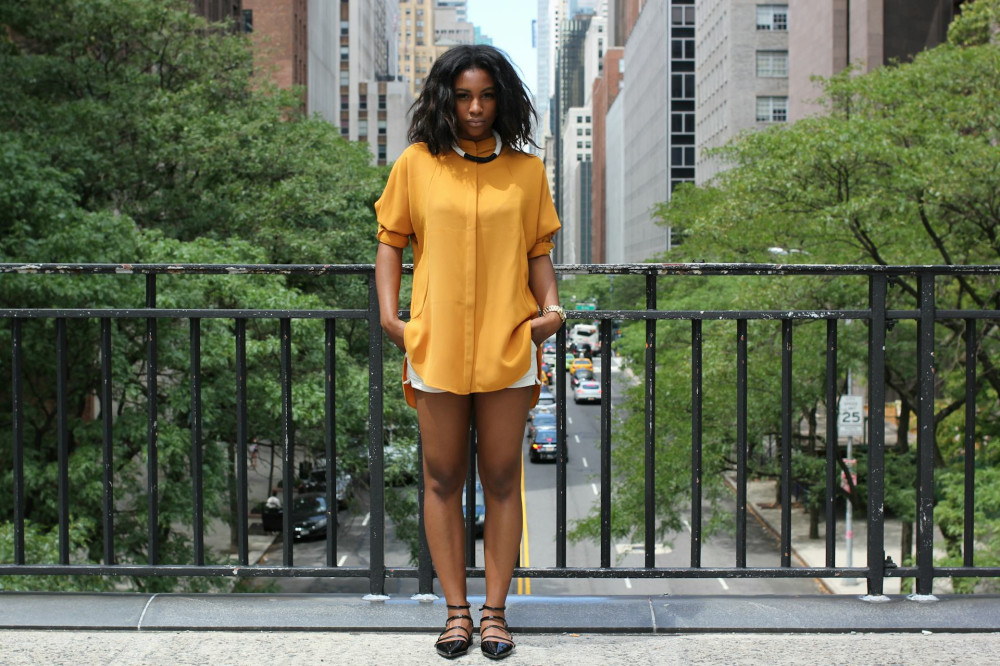
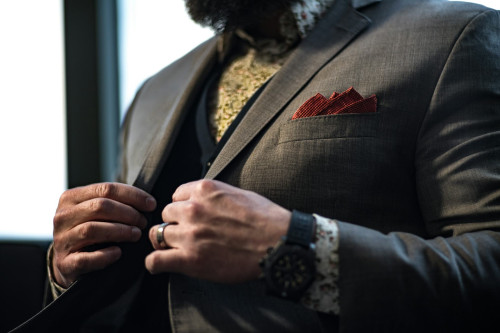
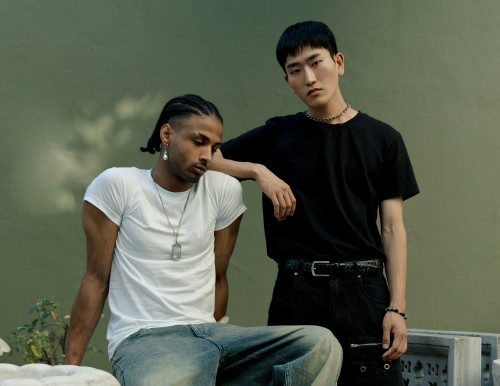
Today, men’s fashion is as much about values as aesthetics. Comfort and functionality take center stage, with many choosing clothes that feel good and are responsibly made. Oversized silhouettes, soft fabrics, and neutral palettes dominate, while sustainable brands and secondhand shopping gain traction. Traditional gender norms are being challenged, too—more men are embracing color, fluid shapes, and expressive details once considered feminine. Modern menswear is freer than ever—and that freedom makes it more interesting.
From Uniform to Identity
Across the decades, men’s fashion has shifted from conformity to self-expression. Where the man of the 1950s dressed to fit in, today’s man dresses to stand out—or simply to feel authentic. Silhouettes and cuts will continue to evolve, but one thing remains constant: fashion will always reflect the times we live in and the values we choose to wear.
Læs også: