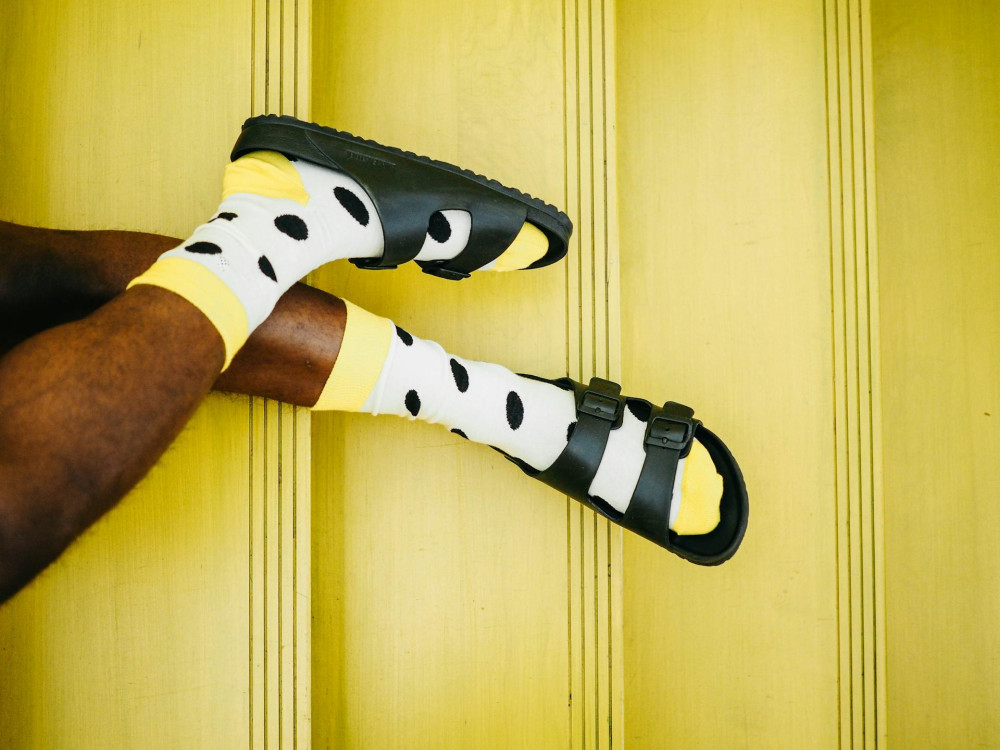
How to Keep Your Feet Warm and Dry All Winter


How to Keep Your Feet Warm and Dry All Winter
When winter hits and temperatures drop, few things are more uncomfortable than cold, damp feet. Whether you’re commuting to work, shoveling snow, or heading out for a winter hike, keeping your feet warm and dry is essential for comfort and health. Here’s a practical guide to help you get through the cold months with happy feet—from choosing the right socks to caring for your boots.
Start from the Inside – Choose the Right Socks
The first layer around your feet is the most important. Socks should both insulate and wick away moisture so your feet don’t get cold from sweat.
- Wool is the winter champion. Merino wool is especially popular because it’s warm, breathable, and soft against the skin. It naturally wicks moisture and resists odor.
- Avoid cotton. Cotton traps moisture and dries slowly, which quickly leads to cold feet.
- Layering can help. A thin moisture-wicking liner sock under a thicker wool sock adds warmth and flexibility.
If your feet tend to sweat, look for socks with ventilation zones or seamless designs to reduce friction and prevent blisters.
Pick the Right Footwear for the Conditions
The best winter boots are the ones suited to your lifestyle and local weather. Think about how much time you spend outdoors and what kind of terrain you encounter.
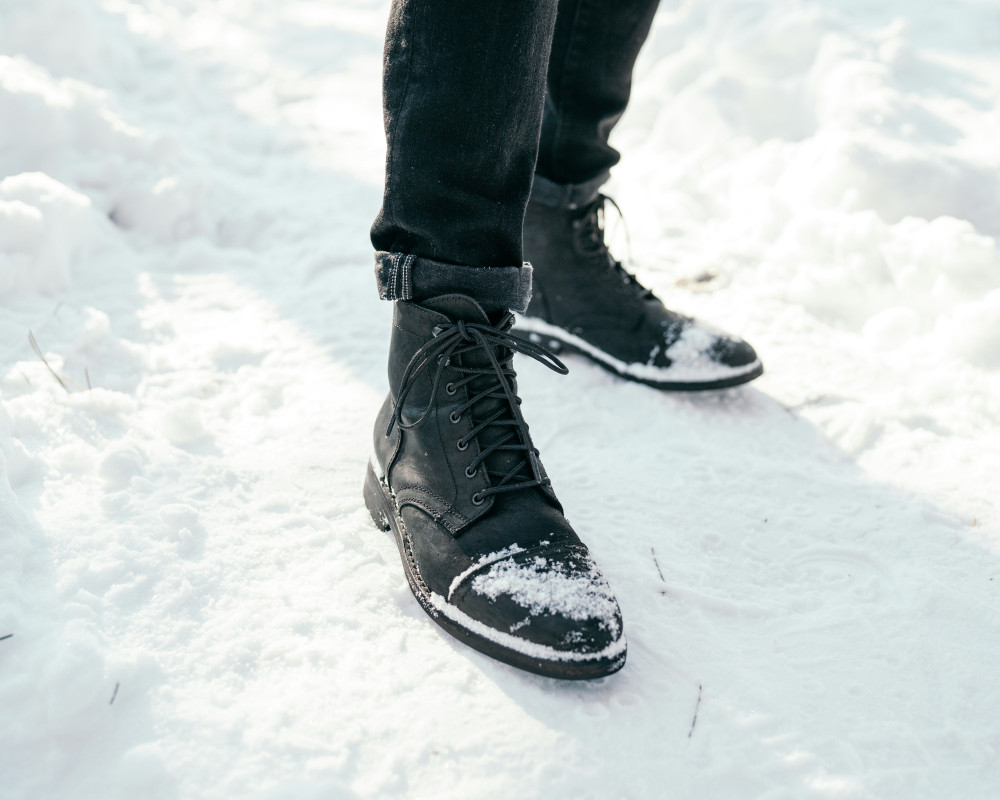
- For city use: Insulated leather or waterproof boots with good traction are usually enough for sidewalks and short commutes.
- For snow and slush: Choose boots with a waterproof membrane (like Gore-Tex or similar) and a rugged sole for grip on icy surfaces.
- For extreme cold: Insulated winter or snow boots with removable liners keep your feet warm even in subzero temperatures.
Make sure your boots have enough room for thick socks—tight footwear restricts circulation and makes your feet colder.
Keep Your Boots Dry
Even the best boots lose their insulating power when wet. Always dry them thoroughly after use.
- Remove the insoles and let the boots dry at room temperature—avoid placing them directly on a heater, which can damage the materials.
- Use a boot dryer or stuff them with newspaper to absorb moisture.
- Reapply waterproofing spray or wax regularly to maintain water resistance.
If possible, rotate between two pairs of winter boots so each pair has time to dry completely between uses.
Take Care of Your Feet
Warm, dry feet also depend on good foot care. Dry or cracked skin can make your feet more sensitive to cold.
- Apply a moisturizing foot cream in the evening to keep skin soft and supple.
- Trim your toenails regularly to prevent pressure or discomfort in your boots.
- If your toes often feel cold, a short foot soak followed by warm socks can help improve circulation.
Extra Helpers for the Coldest Days
When the temperature really drops, a few small accessories can make a big difference.
- Heated insoles – available as disposable warmers or rechargeable versions.
- Wool insoles – add extra insulation and can be removed for drying.
- Gaiters – protect against snow and slush if you’re walking through deep snow or hiking.
These extras are especially useful if you spend long hours outdoors.
Læs også:



Keep the Whole Body Warm
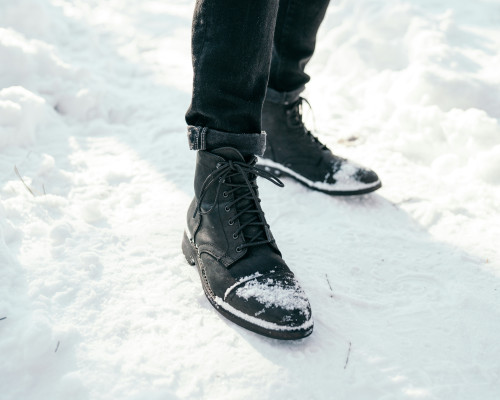
Even though the focus is on your feet, your overall body temperature matters. When your body gets cold, it prioritizes keeping your core warm—meaning your feet will feel it first. Dress in layers, wear a warm hat and gloves, and maintain a steady body temperature. Keeping your whole body warm helps your feet stay warm too.
Winter Comfort from Head to Toe
Keeping your feet warm and dry all winter takes a bit of planning, but it’s worth it. With the right socks, quality footwear, and a little care, you can face the cold season comfortably. When your feet are warm, the rest of winter feels a lot more enjoyable.
Læs også: