Bags in Humid Climates? How to Protect Them from Moisture and Wear


Bags in Humid Climates? How to Protect Them from Moisture and Wear
Living in a humid climate can be tough on your bags—whether it’s a leather tote, a canvas backpack, or a laptop bag. High humidity, sudden rain showers, and temperature changes can cause materials to fade, crack, or even develop mold and unpleasant odors. Fortunately, with a few simple habits and the right care, you can keep your bags looking great for years. Here’s how to protect them from moisture and everyday wear—whether you live along the Gulf Coast, in the Pacific Northwest, or anywhere summer humidity hits hard.
Know Your Material—and Its Needs
Different materials react differently to moisture, so it’s important to understand what your bag is made of before choosing how to care for it.
- Leather is a natural material that absorbs moisture and can dry out or crack if not conditioned regularly. It needs periodic waterproofing and conditioning to stay supple.
- Canvas and cotton are durable but absorb water easily. A water-repellent spray can make a big difference.
- Synthetic materials like nylon and polyester are more resistant to moisture, but zippers, seams, and linings can still be affected over time.
Always check the manufacturer’s care instructions before applying any product—some treatments can alter the color or texture of the material.
Prevent Damage with Waterproofing
Waterproofing is your best defense in a humid environment. A good spray creates an invisible barrier that helps water bead up and roll off instead of soaking in.
- Apply the spray to a clean, dry bag.
- Hold the can about 8–12 inches away and spray evenly.
- Let the bag dry completely before using it.
Repeat the treatment a few times a year—or more often if you use the bag daily in wet conditions. For leather, use wax- or oil-based products designed specifically for leather care.
Dry Your Bag the Right Way
If your bag gets wet, drying it properly is key. Avoid placing it directly on a heater or using a hair dryer—excess heat can cause cracking or warping.
Instead:
- Gently wipe off surface moisture with a soft cloth.
- Stuff the bag with paper towels or clean, dry cloths to help it keep its shape.
- Let it air-dry at room temperature in a well-ventilated area.
Once dry, apply a small amount of leather conditioner if the bag is made of leather to restore its natural moisture balance.
Prevent Mold and Odor
In humid areas, bags can quickly develop a musty smell if stored without ventilation. To prevent this:
- Store your bag in a dry, airy place.
- Place small packets of silica gel or activated charcoal inside to absorb moisture.
- Clean the interior regularly—crumbs, dust, and humidity can create the perfect environment for mold.
If your bag already smells musty, leave it outside in fresh air for a few hours or wipe it gently with a cloth dampened in a mild vinegar-and-water solution (one part vinegar to three parts water).
Læs også:
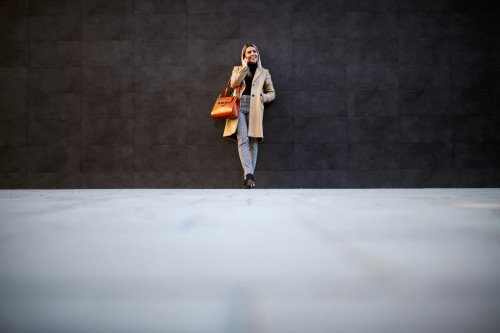

Protect Against Everyday Wear
Moisture isn’t the only threat—daily use also takes a toll. To extend your bag’s life:
- Rotate between different bags so one doesn’t wear out too quickly.
- Avoid overstuffing—it strains seams and zippers.
- Wipe down metal parts like buckles and zippers occasionally to prevent rust.
A quick wipe after a rainy day or humid outing can go a long way toward keeping your bag in good shape.
Off-Season Storage
If you’re not using a bag for a while, store it properly. Fill it lightly with paper to help it keep its shape, and place it in a breathable fabric dust bag—not plastic, which traps moisture. Keep it in a cool, dry place away from direct sunlight and temperature swings.
A Well-Cared-For Bag Lasts for Years
With a little attention, even a bag used daily in a humid climate can stay beautiful and functional for a long time. The key is prevention—regular care is far easier than repair. Treat your bag with the same care you give your shoes or jacket, and it will reward you with years of reliable use and timeless style.
Læs også: